
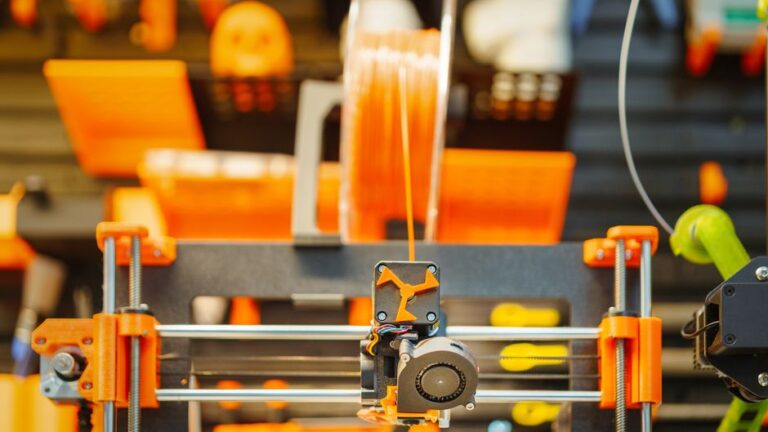
In recent years, the manufacturing industry has witnessed a radical transformation, largely driven by the advent of 3D printing technology. This innovative process, which allows the creation of three-dimensional objects from digital files, has opened new avenues for businesses and consumers alike. The rise of 3D printing services has revolutionized how products are designed, prototyped, and produced, making it an essential tool in various sectors.
Understanding 3D Printing Technology
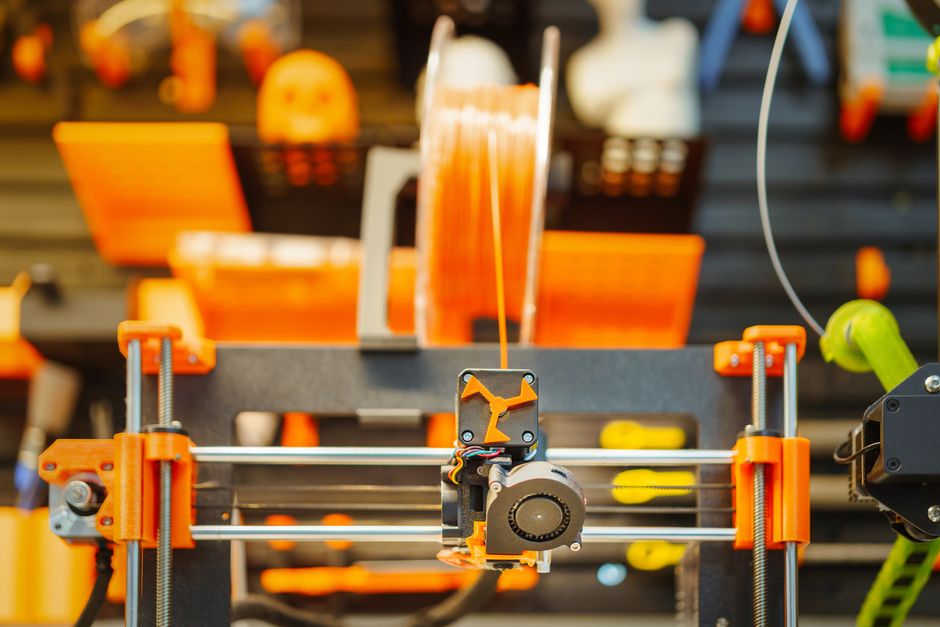
3D printing, also known as additive manufacturing, refers to the process of creating a physical object from a digital model. This technology layers materials, such as plastic, metal, or resin, to build an object layer by layer. Unlike traditional manufacturing methods, which often involve subtractive processes like cutting or drilling, 3D printing is much more versatile and efficient.
The technology can produce complex geometries that would be difficult or impossible to achieve with conventional methods. For example, aerospace companies are utilizing 3D printing to create lightweight components that enhance fuel efficiency. In the medical field, customized implants and prosthetics are being produced to perfectly match a patient’s anatomy.
Moreover, the speed of production is significantly increased. A prototype that might take weeks to create using traditional methods can be produced in a matter of hours with 3D printing. This not only accelerates the design process but also reduces costs associated with material waste and labor.
The Benefits of 3D Printing Services for Businesses
Businesses that adopt 3D printing services can enjoy a multitude of benefits. First and foremost, cost savings are a major advantage. Traditional manufacturing often requires large upfront investments in tooling and setup, whereas 3D printing requires a minimal initial investment. Companies can create products on demand, reducing inventory costs and minimizing excess production.
Additionally, 3D printing allows for greater customization. Consumers today are increasingly seeking personalized products, and 3D printing makes it feasible for companies to offer tailored solutions without significant additional costs. This capability can lead to enhanced customer satisfaction and loyalty.
Furthermore, the rapid prototyping capabilities of 3D printing enable companies to test and refine their products quickly. By receiving feedback from consumers early in the design process, businesses can make necessary adjustments, ultimately leading to better products and a greater chance of market success.
Industries Benefiting from 3D Printing Services
The potential applications of 3D printing are vast, impacting various industries. The automotive sector, for example, is utilizing 3D printing to produce parts more efficiently and cost-effectively. Companies like BMW and Ford are experimenting with 3D-printed components to enhance their manufacturing processes.
In the fashion industry, designers are exploring the possibilities of 3D printing to create intricate jewelry and accessories. This technology allows for unique designs that stand out in a competitive market. Similarly, the architecture field is leveraging 3D printing to produce scale models of buildings, helping architects visualize their designs more effectively.
Moreover, the healthcare industry is one of the most significant beneficiaries of 3D printing services. Surgeons can now use 3D-printed models of patients’ organs to plan complex surgeries. This technology not only improves surgical outcomes but also enhances training for medical professionals.
Challenges and Considerations in 3D Printing
Despite its numerous advantages, 3D printing is not without challenges. One major concern is the quality and durability of printed materials. While advancements are being made, some industries require materials that can withstand significant stress and strain, which may not yet be achievable with current 3D printing technologies.
Additionally, intellectual property issues arise with the ease of duplicating designs. Companies must navigate the complexities of copyright and patent laws in the context of 3D printing to protect their innovations.
Another consideration is the environmental impact. While 3D printing can reduce waste associated with traditional manufacturing, the materials used in printing, particularly plastics, can pose recycling challenges. As the industry continues to evolve, it is essential to explore sustainable materials and practices.
Conclusion: The Future of 3D Printing Services
As we move further into the digital age, the role of 3D printing services will only continue to expand. With ongoing advancements in technology, we can expect to see improved materials, faster production times, and more widespread adoption across various industries. The potential for innovation is limitless, making 3D printing an exciting frontier for businesses looking to enhance their operational efficiency and customer engagement.
In conclusion, embracing 3D printing services is not just a trend; it is a strategic move that can redefine how products are manufactured and brought to market. Companies that leverage this technology will be well-positioned to succeed in an increasingly competitive landscape.
