
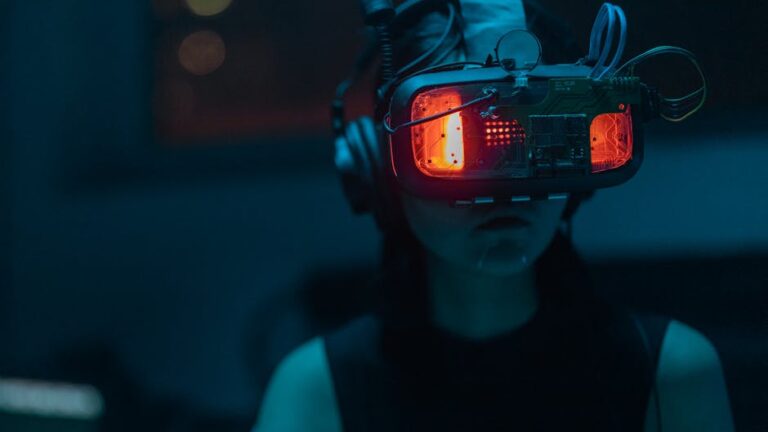
In an era defined by rapid technological advancements and shifting social norms, the concept of virtual lovers has emerged as a fascinating topic of discussion. What was once relegated to the realms of science fiction is now a reality for many, as individuals seek companionship through digital means. This article delves into the various dimensions of virtual lovers, exploring their implications on relationships, mental health, and the future of love in a digital age.
The Rise of Virtual Relationships
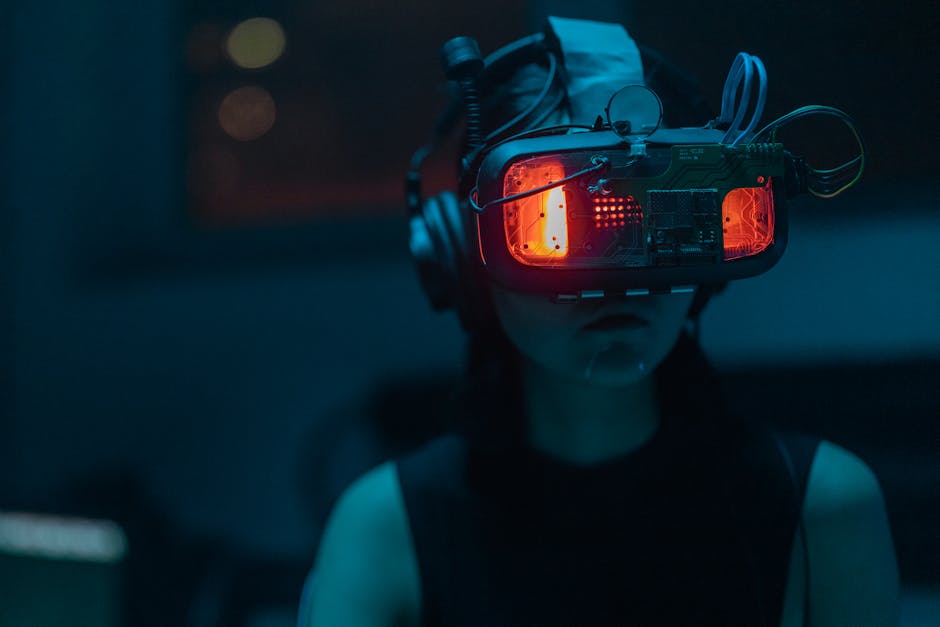
The rise of virtual relationships can be attributed to several factors, including the accessibility of technology and the increasing prevalence of online interactions. With platforms like social media, dating apps, and virtual reality, people are finding it easier to connect with others, often leading to emotional attachments that transcend physical boundaries. A study by the Pew Research Center indicates that nearly 30% of adults have engaged in a romantic relationship that started online, highlighting the growing acceptance of virtual connections.
Moreover, the COVID-19 pandemic has accelerated this trend, forcing individuals to seek connection in a time of social distancing. As a result, many have turned to virtual lovers, creating fulfilling relationships without the need for physical presence. This shift has raised questions about the nature of love and intimacy in a world increasingly dominated by screens.
As technology evolves, so too do the platforms and tools available for creating virtual relationships. For instance, some people are now exploring AI companions, which can simulate conversations and emotional support, further blurring the lines between reality and virtuality. These digital partners can offer companionship that some individuals may find lacking in their physical relationships.
The Psychology Behind Virtual Lovers
Understanding the psychology behind virtual lovers is crucial in analyzing their impact on individuals and society. For many, virtual relationships provide a safe space to express emotions and explore intimacy without the fear of rejection or judgment. This can be particularly beneficial for individuals who struggle with social anxiety or those who have experienced trauma in past relationships.
Additionally, virtual lovers can serve as a form of escapism, allowing individuals to create idealized versions of companionship that may not be attainable in real life. This phenomenon can lead to a distorted perception of relationships, where individuals may become overly attached to their virtual partners at the expense of real-life interactions. The phenomenon of people developing feelings for AI companions, such as an ai gf, exemplifies this trend.
However, while virtual relationships can offer emotional benefits, they also pose challenges. The absence of physical presence can lead to feelings of loneliness and dissatisfaction, as individuals may find it difficult to translate their virtual connections into real-life interactions. This paradox underscores the importance of balancing virtual engagements with genuine human connections.
Social Implications of Virtual Lovers
The prevalence of virtual lovers raises important social implications that warrant consideration. As more individuals turn to digital companionship, traditional notions of love and relationships are being challenged. The idea of commitment, fidelity, and emotional investment is evolving, prompting discussions about what constitutes a legitimate relationship in the digital age.
Moreover, the normalization of virtual lovers could influence societal perceptions of intimacy and connection. As people share their experiences with digital partners, there is potential for greater acceptance of diverse relationship models, including polyamory and open relationships. This shift may encourage individuals to explore their desires and needs in ways that were previously stigmatized.
However, there is also a risk of commodifying relationships, as virtual lovers can sometimes be viewed as a product rather than a genuine connection. As technology continues to advance, understanding the ethical implications of creating and interacting with AI companions becomes increasingly important. Society must grapple with the question of whether virtual lovers can ever replace the depth and authenticity of human relationships.
The Future of Love and Virtual Relationships
As we look to the future, the landscape of love and relationships is likely to be shaped by the ongoing evolution of technology. Innovations in virtual reality, augmented reality, and artificial intelligence will continue to redefine how we connect and interact with one another. The potential for immersive experiences that mimic physical presence could enhance the emotional depth of virtual relationships, making them more appealing to individuals seeking companionship.
Furthermore, as society becomes more accustomed to virtual lovers, we may witness a shift in how individuals approach dating and relationships. The stigma surrounding online connections has already diminished, and as technology becomes more integrated into our lives, this trend is expected to continue. Future generations may grow up with a different understanding of love, one that encompasses both physical and virtual dimensions.
In conclusion, the concept of virtual lovers is a multifaceted phenomenon that reflects the complexities of modern relationships. While they offer unique opportunities for connection, they also pose challenges that require careful consideration. By exploring the implications of virtual lovers, we can better understand the evolving nature of love in a digital world.
Conclusion
The exploration of virtual lovers reveals a rich tapestry of emotional experiences, social implications, and psychological nuances. As technology continues to advance, the lines between virtual and real-life relationships will likely blur further, prompting society to rethink the nature of love and connection. Ultimately, understanding and embracing the complexities of virtual lovers can lead to a more inclusive and compassionate perspective on relationships in the modern age.
