
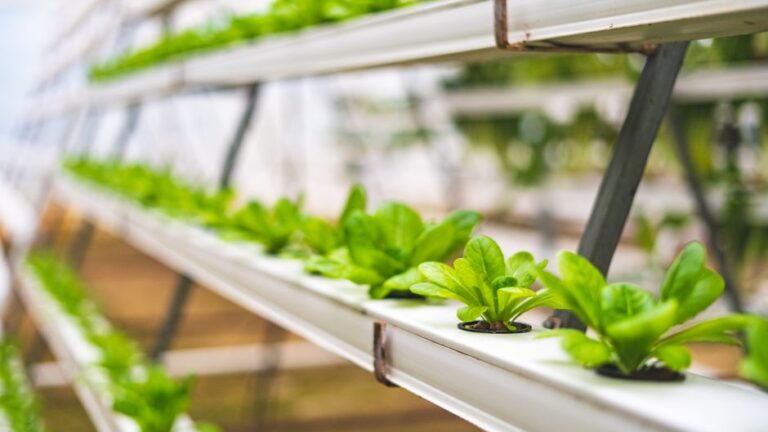
Aquaponics is revolutionizing the way we think about food production, combining aquaculture and hydroponics to create a sustainable ecosystem. This innovative approach not only conserves water but also maximizes space, making it an ideal solution for urban environments and small-scale farming. In this article, we will explore the benefits of aquaponics kits, how they work, and why they are becoming increasingly popular among eco-conscious consumers.
Understanding Aquaponics
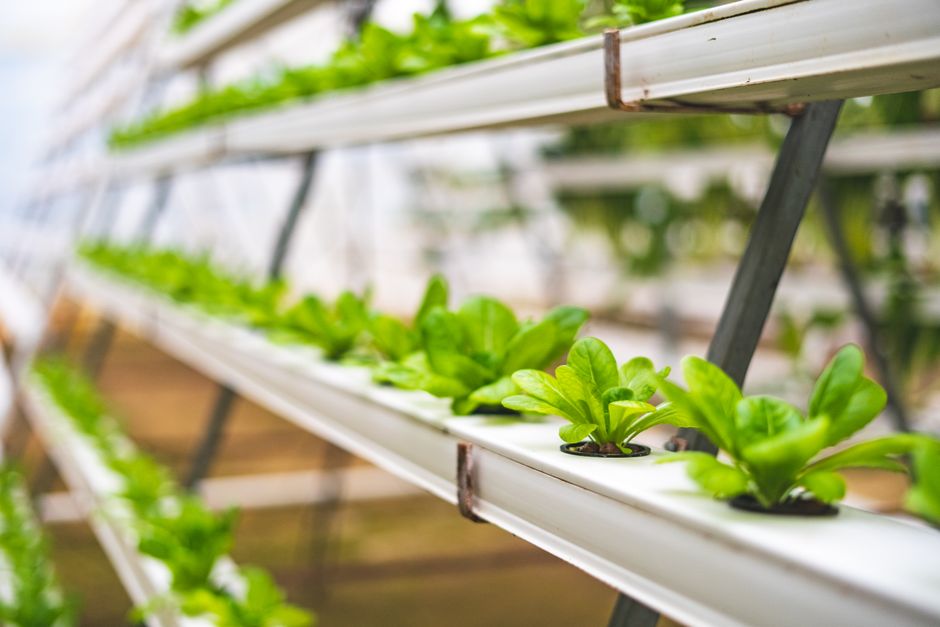
Aquaponics is a system that integrates fish farming (aquaculture) with plant cultivation (hydroponics) in a symbiotic environment. The waste produced by the fish provides an organic nutrient source for the plants, while the plants naturally filter the water, creating a balanced ecosystem. This method reduces the need for chemical fertilizers and pesticides, making it a more environmentally friendly option compared to traditional farming methods.
One of the key advantages of aquaponics is its efficiency. Research indicates that aquaponics systems use up to 90% less water than conventional farming, making them a viable solution in areas facing water scarcity. Additionally, this type of farming can yield crops in a fraction of the time it takes in soil-based agriculture.
Furthermore, aquaponics can be set up in various environments, from backyards to greenhouses, allowing for year-round production. The versatility of this system makes it an attractive option for hobbyists and commercial growers alike.
The Components of an Aquaponics Kit
An aquaponics kit typically includes essential components such as a fish tank, grow bed, pump, and filtration system. These kits are designed to be user-friendly, making them accessible to beginners and seasoned gardeners. Most kits come with detailed instructions, allowing users to set up their systems with ease.
Fish tanks can vary in size and material, but they must be large enough to accommodate the fish species chosen for the system. Common fish used in aquaponics include tilapia, goldfish, and catfish due to their hardiness and adaptability to varying conditions.
The grow bed, where plants are cultivated, is another critical component. It is usually filled with a growing medium such as clay pellets or gravel, which provides stability for the plants while allowing water to flow freely. This setup creates the ideal environment for both fish and plants to thrive.
Benefits of Using Aquaponics Kits
One of the most significant benefits of using aquaponics kits is their sustainability. By reducing water usage and eliminating the need for harmful chemicals, aquaponics fosters a healthier ecosystem. This is particularly important in today’s world, where food production is often linked to environmental degradation.
Moreover, aquaponics systems can produce a variety of crops, including leafy greens, herbs, and even fruits, alongside fish. This diversity not only increases food security but also allows users to enjoy fresh, organic produce right from their homes.
Additionally, many aquaponics kits are designed to be aesthetically pleasing, making them an attractive addition to any home or garden. This feature encourages more people to engage with sustainable practices and fosters a greater appreciation for food production.
Challenges and Considerations
While aquaponics offers numerous benefits, it is not without its challenges. One of the primary considerations is the need for consistent monitoring of water quality, temperature, and nutrient levels. Users must be prepared to invest time and effort into maintaining their systems to ensure optimal growth for both fish and plants.
Another challenge is the initial setup cost. Although prices for aquaponics kits vary, they can be more expensive than traditional gardening equipment. However, many users find that the long-term benefits and savings on water and food costs outweigh the initial investment.
Lastly, it is essential to choose the right fish and plants that will thrive in the same environment. Some species may not be compatible, leading to issues in the ecosystem. Researching and understanding the dynamics of aquaponics can help mitigate these risks.
Getting Started with Aquaponics Kits
For those interested in diving into aquaponics, starting with a kit can be an excellent approach. Many reputable companies offer comprehensive aquaponics kits that come equipped with everything needed to set up a successful system. One such option is the aquaponics kit, which provides a reliable starting point for beginners.
Before purchasing a kit, it’s crucial to do thorough research. Consider factors such as the available space, budget, and the specific types of fish and plants you wish to cultivate. Engaging with online communities and forums can also provide valuable insights and support from experienced aquaponics enthusiasts.
Ultimately, aquaponics represents a sustainable solution to modern food production challenges. By embracing this innovative farming method, individuals can contribute to a healthier planet while enjoying the benefits of homegrown food.
Conclusion
As we face increasing environmental concerns and food production challenges, aquaponics kits offer a sustainable and efficient solution. By integrating fish and plant cultivation, these systems not only conserve water but also provide fresh, organic produce. With the right knowledge and preparation, anyone can embark on an aquaponics journey that benefits both themselves and the environment. Whether you’re looking to cultivate your own food or explore a new hobby, aquaponics is an exciting field that promises to grow in popularity and importance.
