
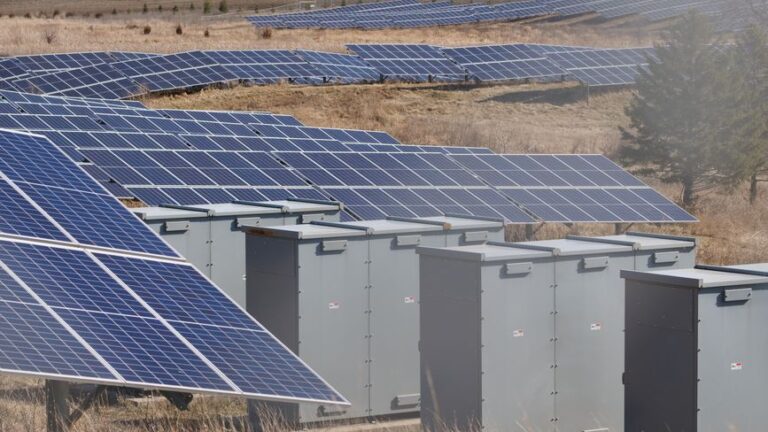
The demand for sustainable energy solutions is growing rapidly as the world shifts towards cleaner energy sources. One of the most critical components of this transition is the development of energy storage systems. These systems play a vital role in managing the intermittent nature of renewable energy sources such as solar and wind. In this article, we will delve into the various types of energy storage systems, their applications, and the future of energy storage technology.
Understanding Energy Storage Systems
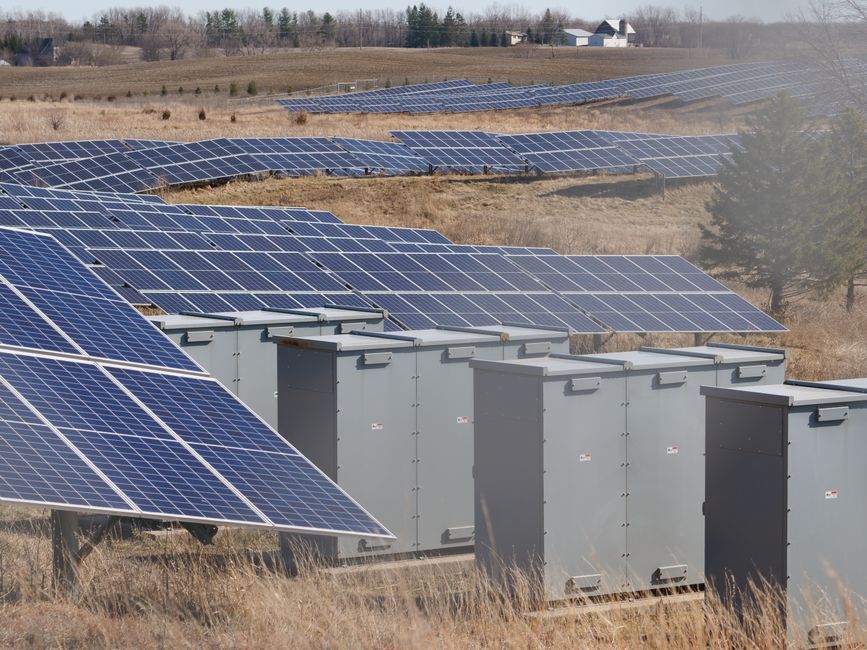
Energy storage systems (ESS) are technologies that store energy for later use. They are essential for balancing supply and demand in energy systems, particularly as the share of renewable energy increases. ESS can store energy generated from various sources, such as solar panels or wind turbines, to be used when production is low or demand is high.
There are several types of energy storage systems, including batteries, pumped hydro storage, thermal energy storage, and compressed air energy storage. Each type has its unique characteristics, advantages, and disadvantages. For instance, batteries are highly versatile and can be deployed at various scales, while pumped hydro storage is more suited for large-scale applications.
Types of Energy Storage Systems
1. Battery Energy Storage Systems (BESS): These are the most common types of ESS currently in use. They provide quick response times and can be used in various applications, from residential to commercial and industrial. Lithium-ion batteries are the most prevalent technology, known for their high energy density and efficiency.
2. Pumped Hydro Storage: This traditional method utilizes two water reservoirs at different elevations. Energy is stored by pumping water to the upper reservoir and released to generate electricity when needed. Pumped hydro storage accounts for a significant portion of global energy storage capacity.
3. Thermal Energy Storage: This system stores energy in the form of heat. It is commonly used in conjunction with solar thermal power plants, where heat is stored in materials like molten salt and then converted back to electricity as needed.
4. Compressed Air Energy Storage (CAES): CAES systems store energy by compressing air in underground caverns or storage tanks. The compressed air is released and heated to drive turbines during high-demand periods, generating electricity.
Applications of Energy Storage Systems
Energy storage systems have a wide range of applications across different sectors. In the residential sector, they enable homeowners to store energy generated from solar panels and use it during peak demand times, thereby reducing electricity bills and dependence on the grid.
In commercial settings, businesses can utilize ESS to manage energy costs, reduce demand charges, and enhance energy resilience. For instance, companies can store energy during off-peak hours when electricity rates are lower and use it during peak hours when rates are higher.
Additionally, energy storage systems play a crucial role in stabilizing and enhancing the reliability of the grid. They can provide ancillary services such as frequency regulation and voltage support, which are essential for maintaining grid stability.
The Role of Policy and Investment
The growth of energy storage systems is heavily influenced by government policies and investments. Many countries are implementing supportive policies to encourage the adoption of renewable energy and energy storage technologies. For example, tax incentives, grants, and favorable regulations can significantly enhance the market for ESS.
Investment in research and development is also critical for the advancement of energy storage technologies. As the demand for energy storage solutions increases, companies and governments alike are investing in innovative technologies that can improve efficiency, reduce costs, and expand the applications of energy storage systems.
Future Trends in Energy Storage
The future of energy storage systems looks promising, with advancements in technology driving innovation. For instance, the development of solid-state batteries could revolutionize the battery industry by providing higher energy densities, improved safety, and longer lifespans.
Additionally, the integration of artificial intelligence (AI) and machine learning is expected to optimize the operation of energy storage systems, enhancing their efficiency and reducing costs. AI can play a pivotal role in predicting energy demand, optimizing charging and discharging cycles, and improving overall system performance.
As we continue to prioritize sustainability and the transition to a low-carbon economy, energy storage systems will remain at the forefront of energy solutions. They will be essential for enabling the widespread adoption of renewable energy and ensuring a reliable and resilient energy grid.
In conclusion, energy storage systems are a vital component of the clean energy transition. They provide solutions for managing energy supply and demand, enhancing energy resilience, and maximizing the potential of renewable energy sources. Investing in these technologies and supporting policies will be crucial for a sustainable energy future.
For more information on energy storage systems, visit energy storage system.
