
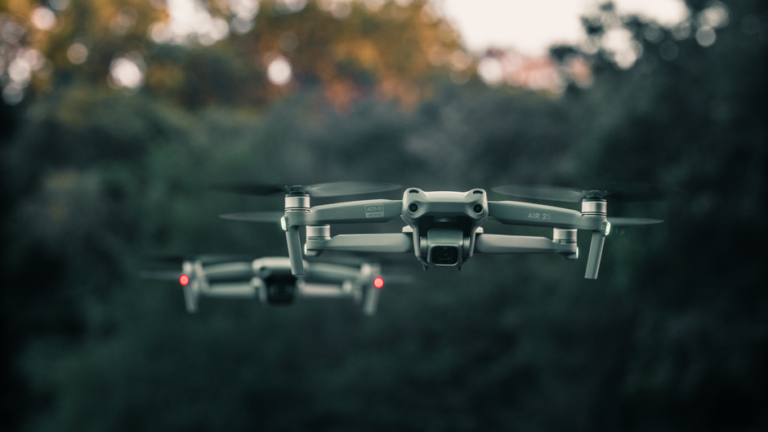
Aerial drone photography has emerged as a revolutionary method for capturing stunning images from unique perspectives. With advancements in drone technology, photographers and enthusiasts alike have the ability to explore landscapes and urban environments like never before. This article delves into the intricacies of aerial drone photography, including its benefits, techniques, and applications across various fields.
The Rise of Aerial Drone Photography
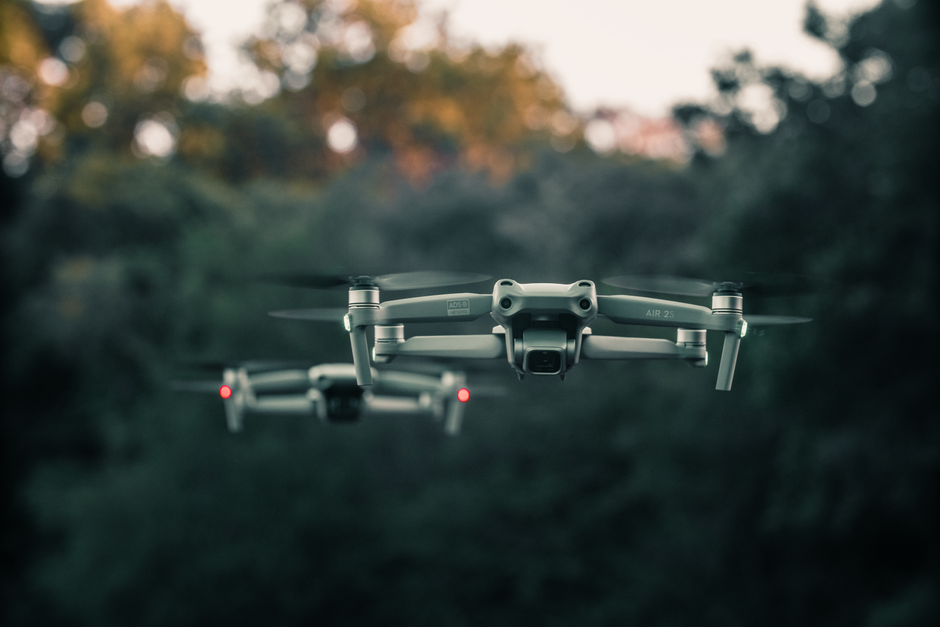
In recent years, the popularity of aerial drone photography has skyrocketed. According to a report by Research and Markets, the global drone market is expected to reach $43 billion by 2024. This surge is largely attributed to the increasing accessibility of drone technology and its diverse applications. From real estate to agriculture, the demand for aerial imagery is growing, providing new opportunities for photographers.
Aerial photography has traditionally required expensive equipment like helicopters or planes, but drones have democratized this form of art. Now, even amateur photographers can capture breathtaking aerial shots without breaking the bank. The affordability and ease of use of consumer drones have made them a favorite among photography enthusiasts.
Furthermore, with the integration of advanced sensors and high-resolution cameras, drones are capable of producing images that rival those taken by professional photographers using traditional methods. One example of this is the DJI Mavic series, which combines portability with exceptional image quality.
Techniques for Capturing Stunning Aerial Photos
To achieve breathtaking aerial shots, photographers must understand several key techniques. First and foremost, it’s essential to have a clear plan for the shoot. This includes scouting locations, considering the time of day for optimal lighting, and understanding the drone’s capabilities.
Composition is another critical aspect of aerial photography. Utilizing the rule of thirds can significantly enhance the visual impact of an image. Photographers should also experiment with different angles and heights to find the most compelling perspectives. For instance, capturing an image from directly above a subject can create a striking visual effect, while shooting at an angle can add depth.
Post-processing is equally important in aerial photography. Editing software can help enhance colors, adjust contrast, and remove any unwanted elements from the frame. Many photographers utilize tools like Adobe Lightroom or Photoshop to bring out the best in their aerial shots.
Applications of Aerial Drone Photography
Aerial drone photography is not just an artistic endeavor; it has practical applications across various industries. In real estate, for example, aerial images can provide potential buyers with a comprehensive view of properties and their surroundings. This added perspective often leads to quicker sales, as listings with aerial photos tend to attract more interest.
In agriculture, drones are used to monitor crop health and assess land conditions. Farmers can capture high-resolution images of their fields to identify areas needing attention or to analyze crop yields. This technology not only enhances productivity but also promotes sustainable farming practices.
Moreover, in the field of filmmaking and advertising, aerial drone photography has transformed the way stories are told visually. Directors can create dynamic shots that were previously unattainable, adding depth and excitement to their projects.
Legal Considerations and Safety Guidelines
While the allure of aerial drone photography is undeniable, it is crucial for photographers to adhere to legal regulations and safety guidelines. In many countries, drone operators are required to register their drones and follow specific rules regarding altitude limits and no-fly zones.
Additionally, safety is paramount. Photographers should always conduct pre-flight checks, ensuring their equipment is functioning correctly. They must also be mindful of their surroundings to avoid accidents or collisions with other aircraft.
Joining local drone clubs or online communities can provide valuable resources and insights on best practices for flying and capturing aerial images safely. Many experienced drone pilots share their knowledge on forums, which can be an excellent learning opportunity for newcomers.
Future Trends in Aerial Drone Photography
The future of aerial drone photography looks promising, with continuous advancements in technology. Emerging trends include the integration of artificial intelligence (AI) in drones, which can automate flight paths and enable smarter image capture.
Additionally, as 5G technology becomes more widespread, the potential for real-time video streaming from drones will revolutionize the way aerial photography is experienced. This could lead to new applications in live event coverage and remote monitoring.
Moreover, as the environmental impact of drones is assessed, there is a growing focus on sustainability in drone design and operation. Companies are beginning to explore eco-friendly materials and practices, ensuring that aerial photography can be enjoyed without compromising the environment.
Conclusion
Aerial drone photography is a dynamic and exciting field that offers endless possibilities for creativity and innovation. As technology continues to advance, so too will the opportunities for photographers to explore and capture the world from above. Whether for personal projects or professional applications, mastering the art of aerial photography can lead to stunning results that are not only visually appealing but also serve practical purposes in various industries. For those interested in diving deeper into this fascinating world, exploring resources and communities dedicated to aerial drone photography can provide invaluable insights and guidance.
