
Aerial drone photography has revolutionized the way we capture images from above, offering breathtaking perspectives that were once reserved for helicopters and airplanes. With the advancement of drone technology, photographers and videographers can now create stunning visuals with relative ease. This article explores the intricacies of aerial drone photography, its applications, and tips for achieving remarkable results.
Understanding Drone Technology
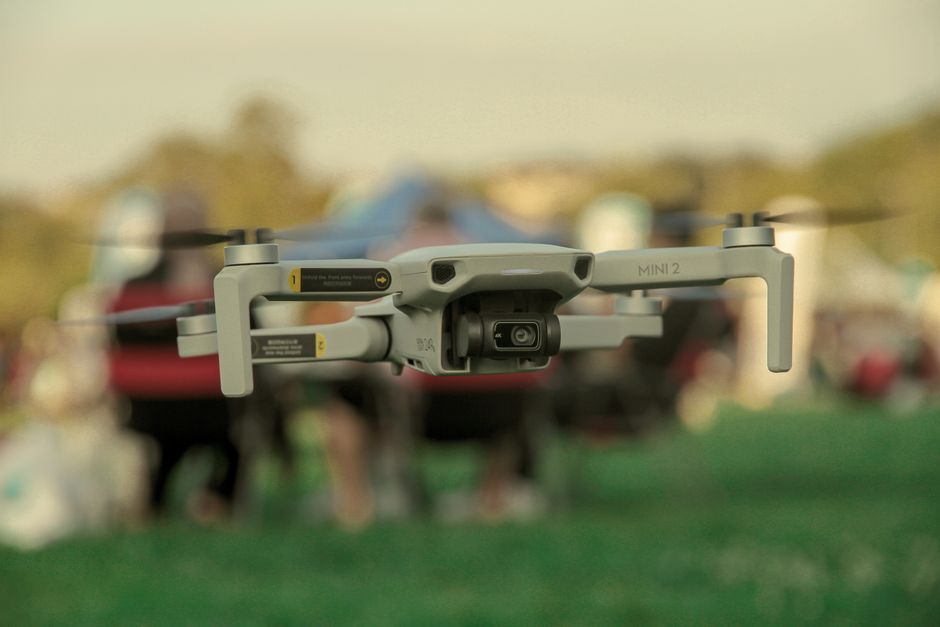
At the heart of aerial drone photography is the impressive technology that powers these flying machines. Modern drones are equipped with high-resolution cameras, GPS, and stabilization systems that allow for smooth and clear images. The use of drones has expanded significantly since their inception, with many models now offering features such as automatic flight paths, obstacle avoidance, and real-time video streaming.
According to industry statistics, the global drone market is expected to grow at a compound annual growth rate (CAGR) of 13.8% from 2021 to 2028. This growth is largely driven by the increasing demand for drone photography in various sectors, including real estate, agriculture, and event coverage. As technology continues to evolve, so too will the capabilities of aerial photography.
One of the most notable advancements in drone technology is the integration of artificial intelligence (AI). AI can assist in image processing, helping photographers to enhance their images and analyze data more efficiently. This allows for a more streamlined workflow, enabling photographers to focus on creativity rather than technical challenges.
Applications of Aerial Drone Photography
Aerial drone photography has a wide range of applications, making it a valuable tool across various industries. In real estate, for example, drone images can showcase properties from unique angles, highlighting their surroundings and giving potential buyers a comprehensive view. A study by the National Association of Realtors found that listings with aerial images sold 68% faster than those without.
In agriculture, drones are used for crop monitoring, allowing farmers to identify issues such as pest infestations or irrigation problems from above. This technology enables more efficient farming practices, potentially increasing yields and reducing costs. Furthermore, environmental monitoring and conservation efforts benefit from aerial imaging, providing crucial data for researchers and conservationists.
Another significant application is in event coverage, where aerial photography can capture stunning visuals of weddings, festivals, and large gatherings. The ability to portray an event from a bird’s-eye view adds a dynamic element to photography and videography.
Techniques for Capturing Stunning Aerial Photos
To achieve breathtaking aerial photographs, photographers must consider several key techniques. First and foremost, understanding lighting is crucial. The best times to shoot are during the golden hour—shortly after sunrise and before sunset—when the light is soft and warm. This enhances the overall aesthetic of the image.
Composition is another vital aspect of aerial photography. Utilizing leading lines, symmetry, and patterns can create visually appealing images. For example, capturing a winding road or a river from above can lead the viewer’s eye through the photograph. Additionally, experimenting with different angles and altitudes can yield diverse results, allowing for creative expression.
Post-processing plays an essential role in aerial photography as well. Using software like Adobe Lightroom or Photoshop can help enhance colors, adjust exposure, and add finishing touches to your images. This editing process allows photographers to bring their unique vision to life, transforming good images into great ones.
Legal Considerations and Safety Measures
While aerial drone photography offers exciting opportunities, it also comes with legal considerations and safety measures that must be adhered to. In many countries, including the United States, drone operators are required to follow specific regulations set forth by aviation authorities. These regulations often include obtaining necessary permits, registering drones, and following no-fly zones.
Safety is paramount in aerial photography. Operators should ensure they are flying in safe conditions, avoiding crowded areas and hazardous weather. Additionally, maintaining line-of-sight with the drone is crucial to prevent accidents and ensure the safety of people and property below.
Many professionals recommend taking a drone pilot certification course to familiarize oneself with the rules and best practices of drone operation. This not only enhances safety but also boosts the operator’s credibility in the industry.
Future Trends in Aerial Drone Photography
As technology continues to advance, the future of aerial drone photography looks promising. Emerging trends include the use of drones equipped with thermal imaging cameras for various applications, such as search and rescue missions and energy inspections. Additionally, the integration of 5G technology is expected to enhance real-time data transfer, improving the quality and immediacy of aerial images.
Furthermore, as drones become more accessible, we can expect an increase in amateur photographers exploring aerial photography. This democratization of technology will likely lead to a surge in creativity and innovation within the field.
In conclusion, aerial drone photography is not just a passing trend; it is a powerful medium that continues to reshape the way we view the world. For those interested in exploring this exciting field, a solid understanding of technology, composition, and regulations will pave the way for success. Remember, the sky is not the limit; it’s just the beginning.
For anyone looking to delve deeper into this fascinating field, consider exploring resources and services that specialize in aerial drone photography.
