

Dealing with a bedbug infestation can be a frustrating and overwhelming experience. These tiny pests are notorious for their ability to hide in the most unexpected places, making them difficult to eliminate without a strategic approach. Understanding the behavior of bedbugs and the options available for their eradication is essential for anyone facing this problem. In this article, we will explore effective strategies for bedbug extermination, including prevention, detection, and treatment methods.
Understanding Bedbugs
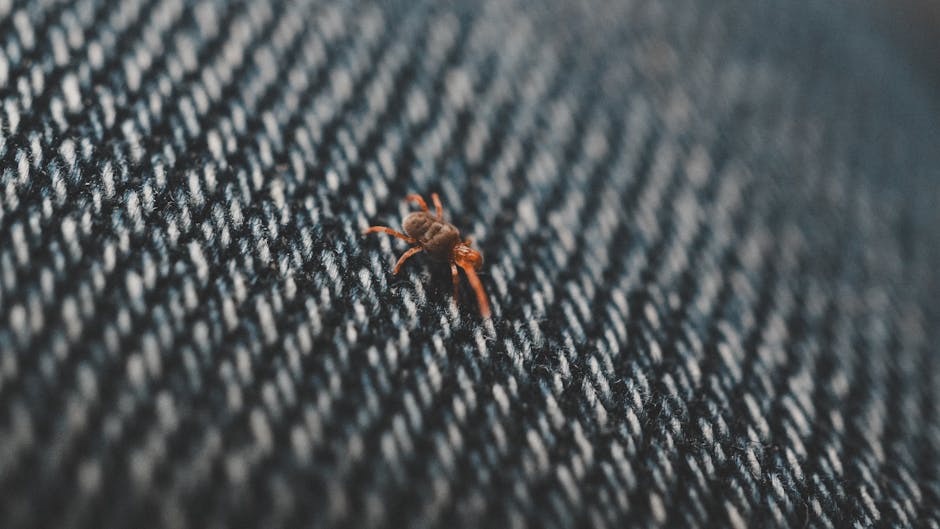
Bedbugs, scientifically known as Cimex lectularius, are small, nocturnal insects that feed on the blood of humans and animals. They are typically reddish-brown in color, flat, and oval-shaped, making it easy for them to hide in crevices and small spaces. Adult bedbugs can grow up to 5 mm in length, while their eggs are about the size of a pinhead.
These pests are primarily active at night and are attracted to warmth and carbon dioxide emitted by sleeping individuals. A single female bedbug can lay up to 500 eggs in her lifetime, leading to rapid infestations if not controlled early. Understanding their lifecycle is crucial for effective extermination.
Bedbugs can be found in various settings, including homes, hotels, and public transportation. Their ability to travel via clothing or luggage makes them a common nuisance for travelers. This adaptability highlights the importance of vigilance in preventing infestations.
Signs of Infestation
Identifying a bedbug infestation early can save you time and money in the long run. Common signs of bedbugs include small reddish-brown stains on sheets or mattresses, which are often a result of crushed bedbugs. You may also notice tiny white eggs or shed skin in areas where bedbugs hide.
Another indicator of an infestation is the presence of a musty odor in your living space, which is produced by bedbug pheromones. If you suspect an infestation, it is essential to conduct a thorough inspection of your sleeping areas, including beds, headboards, and nearby furniture.
In addition to visual signs, you may experience bites on your skin, often appearing in clusters or lines. These bites can cause itching and discomfort, prompting further investigation into the presence of bedbugs.
DIY Extermination Methods
For minor infestations, some homeowners may opt for DIY extermination methods. Vacuuming is an effective first step in removing bedbugs and their eggs from carpets, rugs, and upholstery. Make sure to dispose of the vacuum bag immediately to prevent any surviving bugs from escaping.
Another method is to wash and dry infested bedding and clothing on high heat, as bedbugs cannot survive extreme temperatures. Using a steamer on furniture and mattresses can also help eliminate bedbugs lurking in cracks and crevices.
While these methods can be effective for minor infestations, they may not be sufficient for more severe cases, where professional intervention is often necessary. This is where comprehensive bed bug treatment options come into play.
Professional Bedbug Extermination
In cases of significant infestations, it is highly recommended to seek professional extermination services. Pest control professionals have access to specialized equipment and treatments that can effectively eliminate bedbugs from your home.
One common approach is the use of insecticides specifically designed for bedbug extermination. These products are applied to infested areas and are often more effective than DIY methods. Additionally, professionals can use heat treatment, which involves raising the temperature of the infested area to a level that is lethal to bedbugs.
It’s essential to choose a reputable pest control company that uses safe and effective methods. Reading reviews and seeking recommendations can help ensure you select a qualified provider.
Preventing Future Infestations
Prevention is key to avoiding future bedbug infestations. Regularly inspecting your home, especially after travel, can help catch any potential problems early. Consider using bedbug-proof mattress and pillow encasements to protect against infestations.
Additionally, reducing clutter in your home can minimize hiding spots for bedbugs. When traveling, always inspect hotel rooms and keep luggage elevated off the floor.
Finally, educating yourself and those around you about bedbug behavior and prevention strategies is crucial in maintaining a bedbug-free environment.
Conclusion
Bedbug extermination can be a challenging process, but with the right knowledge and strategies, it is possible to eliminate these pests effectively. Understanding their behavior, recognizing the signs of infestation, and taking proactive measures can make a significant difference. Whether you choose to tackle the problem yourself or enlist the help of professionals, addressing a bedbug infestation promptly is essential for restoring comfort and peace to your living space.
