
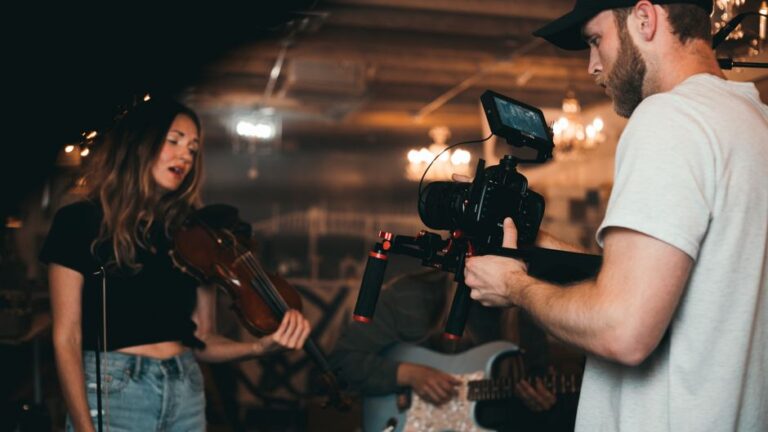
In the age of digital media, music videos have become a crucial component of an artist’s promotional strategy. A well-produced music video not only enhances the song’s appeal but also serves as a visual representation of the artist’s brand. From concept development to final editing, music video production is a multifaceted process that requires careful planning and execution.
Understanding the Basics of Music Video Production
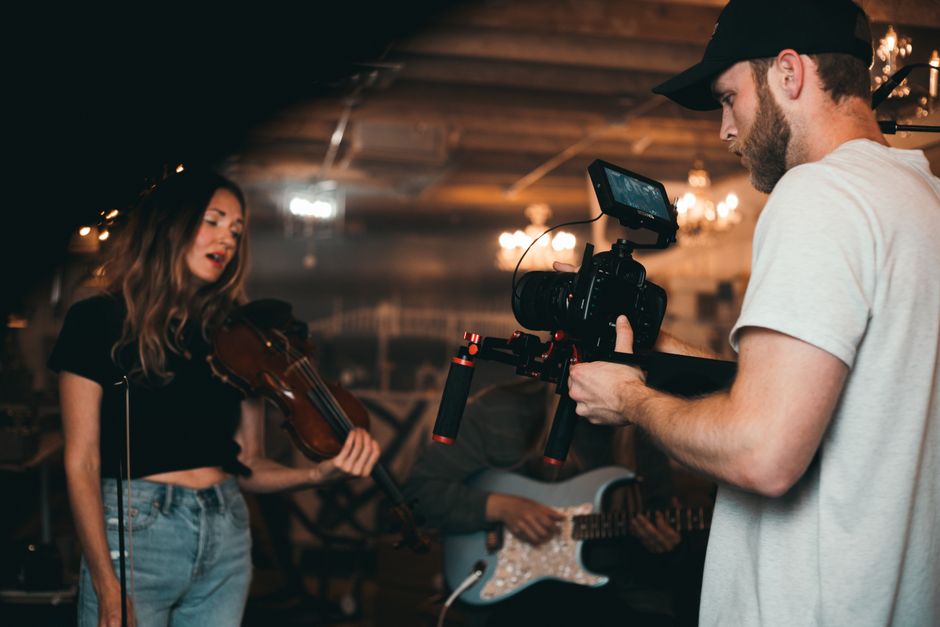
At its core, music video production involves several key stages: pre-production, production, and post-production. Each stage is essential in crafting a compelling visual story that complements the music. Pre-production is where the groundwork is laid, including budgeting, scripting, and location scouting.
During the pre-production phase, it is vital to establish a clear vision for the video. This includes defining the target audience and determining how the video will align with the artist’s overall brand. Once these elements are in place, the production team can move forward with filming.
In the production phase, the actual shooting of the video takes place. This is where the director, cinematographer, and crew work together to capture the artist’s performance, as well as any additional scenes that will enhance the narrative. Effective communication and collaboration among the team are crucial during this stage to ensure that the final product meets the initial vision.
The Role of Technology in Music Video Production
Advancements in technology have significantly impacted music video production. High-definition cameras, drones, and editing software have made it easier than ever to create visually stunning videos. For instance, the use of drones allows for breathtaking aerial shots that can elevate the overall production value.
Moreover, the rise of digital platforms has changed how music videos are distributed and consumed. Artists can now reach a global audience through platforms like YouTube and Vimeo, making the quality of the video even more important. A well-produced video can go viral, increasing the artist’s visibility and driving more traffic to their music.
In addition to technical tools, the integration of special effects and animation has added a new dimension to music video production. These techniques allow for creative storytelling that can captivate viewers and leave a lasting impression.
Creative Concepts and Storytelling
Developing a unique concept for a music video is essential for standing out in a crowded market. Many successful music videos tell a story or convey a specific message that resonates with viewers. This storytelling aspect can range from simple visual metaphors to complex narratives that engage the audience.
For example, consider the music video for “This Is America” by Childish Gambino. The video features striking imagery and powerful symbolism that addresses issues of gun violence and racism in America. Such creative approaches not only make the video memorable but also foster discussions around important societal themes.
Incorporating elements like choreography, set design, and costume choices also contributes to the overall narrative. Every detail matters, as it all works together to enhance the viewer’s experience and connection to the song.
Budgeting and Resources in Music Video Production
One of the most significant challenges in music video production is managing the budget. Costs can escalate quickly, especially if the video requires elaborate sets, special effects, or a large crew. Therefore, it’s essential to have a clear budget in place before beginning production.
Many independent artists face limitations regarding their budget, which can restrict their creative options. However, with careful planning and resourcefulness, it’s possible to create high-quality music videos even on a tight budget. Utilizing local talent, shooting in free or low-cost locations, and leveraging social media for promotion are some strategies that can help maximize resources.
Additionally, collaborating with emerging filmmakers or students can lead to innovative ideas and fresh perspectives while also providing valuable experience for those involved.
Post-Production: The Final Touches
Post-production is the final phase of music video production, where the raw footage is edited to create the finished product. This stage includes video editing, color correction, and sound design, all of which are crucial for achieving a polished look.
Editing is where the narrative comes together. The editor works closely with the director to select the best shots and arrange them in a way that flows seamlessly. This process can be time-consuming, but it is essential for creating a cohesive story that aligns with the song’s rhythm and mood.
Once the editing is complete, adding finishing touches like visual effects and color grading can elevate the video to a professional standard. The final product should not only appeal visually but also enhance the emotional impact of the music.
For those looking to delve deeper into the intricacies of the process, exploring professional resources on music video production can provide valuable insights and tips.
Conclusion
Music video production is a dynamic and creative endeavor that combines artistic vision with technical skill. Understanding the various stages of production, the impact of technology, and the importance of storytelling can help artists and producers create compelling videos that resonate with audiences. Whether you are an independent artist or part of a larger production team, embracing these elements will ultimately lead to successful music videos that stand out in today’s competitive landscape.
