
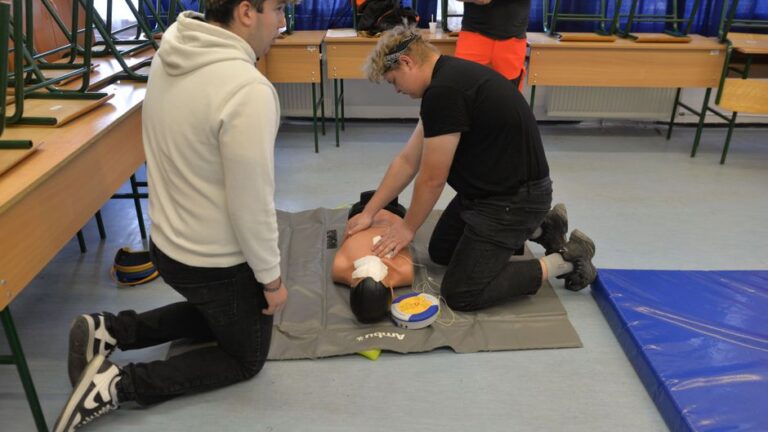
Cardiopulmonary Resuscitation (CPR) is a life-saving technique that is essential in emergency situations, particularly when a person experiences cardiac arrest. Understanding the principles and techniques of CPR can mean the difference between life and death. In this article, we will explore the importance of CPR, the steps involved, and how anyone can become trained to perform this critical procedure.
Understanding CPR: What is it?
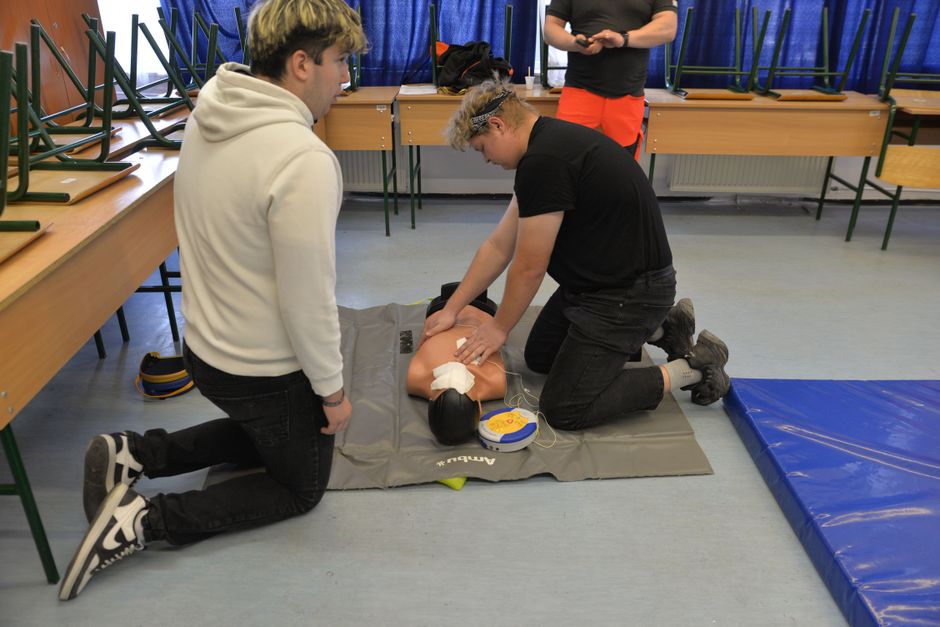
CPR is a combination of chest compressions and rescue breaths designed to maintain blood flow and oxygenation to vital organs when a person’s heartbeat and breathing have stopped. The technique is crucial in emergencies such as heart attacks, drowning, or any situation where a person is unresponsive and not breathing normally. According to the American Heart Association, effective CPR can double or triple a victim’s chance of survival.
In the United States alone, approximately 350,000 cardiac arrests occur outside of hospitals each year. A staggering number of these cases result in death due to the lack of immediate medical intervention. This statistic highlights the necessity for widespread CPR training among the general public.
The Steps of CPR: A Quick Overview
Performing CPR involves several critical steps that should be followed systematically. First, ensure the scene is safe for both the rescuer and the victim. Next, check for responsiveness by tapping or shaking the individual and calling for help. If the person is unresponsive and not breathing, call emergency services immediately.
The next steps involve initiating chest compressions. Place the heel of one hand on the center of the chest, then place the other hand on top and interlock fingers. Compressions should be performed at a rate of 100 to 120 compressions per minute, with a depth of about two inches. After every 30 compressions, provide two rescue breaths if trained to do so.
It’s important to continue CPR until emergency medical services arrive or the individual shows signs of life. This sequence of actions is critical in maintaining blood circulation and oxygen flow to the brain and vital organs.
The Importance of CPR Training
While knowing how to perform CPR is vital, undergoing proper training is equally important. CPR courses teach participants not only the technique but also the confidence to act in an emergency. Many organizations, including the Red Cross and the American Heart Association, offer CPR training programs.
For instance, individuals in Stockholm can enroll in specialized training sessions like the HLR kurs Stockholm that cater to different levels of expertise, from laypersons to healthcare providers. These courses often include practical hands-on experience, enabling participants to practice on mannequins and receive feedback from instructors.
Myths and Misconceptions About CPR
Despite the importance of CPR, several myths and misconceptions hinder people from learning or performing it. One common myth is that CPR should only be performed by medical professionals. In reality, anyone can learn CPR, and bystanders play a crucial role in saving lives.
Another misconception is that performing CPR can cause harm to the victim. While there is a small risk of injury, the benefits far outweigh the potential harm, especially in life-threatening situations. It is essential to remember that performing CPR incorrectly is always better than not performing it at all.
Education and awareness about these myths can empower more individuals to take action during emergencies, ultimately improving survival rates.
Conclusion: Be Prepared, Save Lives
Understanding and performing CPR is a vital skill that everyone should learn. With proper training, individuals can be equipped to act decisively in emergencies, potentially saving lives. As statistics show, immediate action can significantly increase a victim’s chances of survival. Therefore, consider enrolling in a CPR course today, and become a lifesaver in your community.
