
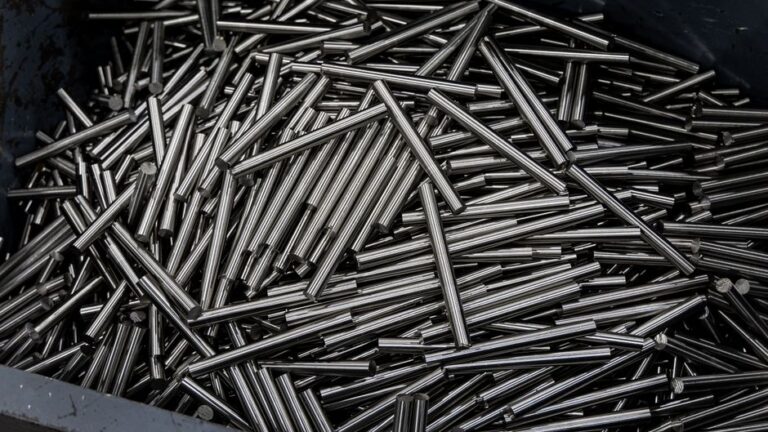
Stainless steel is a remarkable alloy known for its durability, resistance to corrosion, and aesthetic appeal. It has become a staple material in various industries, from construction to culinary applications. As we delve into the world of stainless steel, we uncover its unique properties, applications, and the reasons behind its growing popularity.
Understanding Stainless Steel: What Makes It Unique?
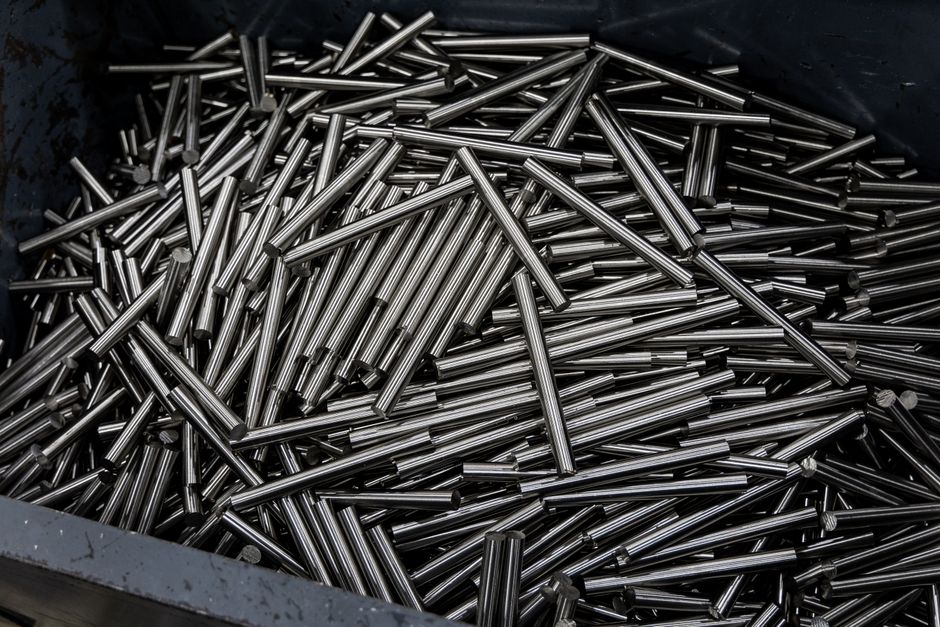
Stainless steel is primarily composed of iron, chromium, and nickel. The addition of chromium, in particular, gives stainless steel its characteristic resistance to rust and tarnishing. This resistance is due to the formation of a thin layer of chromium oxide on the surface, which protects the underlying metal from oxidizing. Furthermore, the incorporation of nickel enhances its formability and strength.
There are various grades of stainless steel, each tailored for specific applications. For instance, 304 stainless steel is widely used in kitchen equipment due to its excellent corrosion resistance and ease of cleaning. On the other hand, 316 stainless steel, which contains molybdenum, is preferred for marine applications because of its enhanced resistance to saltwater corrosion.
In addition to its functional properties, stainless steel is also favored for its aesthetic qualities. Its shiny, reflective surface is not only visually appealing but also easy to maintain, making it a popular choice in modern architecture and interior design.
Applications of Stainless Steel Across Industries
The versatility of stainless steel allows it to be utilized in a myriad of applications. In the construction industry, stainless steel is used for structural components, roofing, and façade cladding. Its durability ensures that buildings can withstand harsh weather conditions, while its appearance adds a modern touch.
In the culinary world, stainless steel is the material of choice for cooking utensils, cutlery, and kitchen appliances. Its non-reactive nature means that it won’t impart any flavors to food, making it ideal for food preparation. Moreover, many professional chefs prefer stainless steel cookware for its ability to conduct heat evenly.
Stainless steel is also extensively used in the medical field. Surgical instruments and medical equipment made from stainless steel are not only strong and durable but also easy to sterilize, ensuring the highest level of hygiene in medical settings.
Environmental Impact and Sustainability
As sustainability becomes a focal point in modern manufacturing, stainless steel stands out as an eco-friendly material. It is 100% recyclable, meaning that it can be repurposed without losing its inherent properties. This ability to recycle significantly reduces the demand for raw materials and minimizes waste.
Moreover, the production of stainless steel has become more environmentally conscious. Many manufacturers are adopting practices that reduce energy consumption and greenhouse gas emissions. The use of recycled materials in the production process further enhances its sustainability profile.
Consumers are increasingly aware of the environmental impact of their purchases. Choosing products made from stainless steel, such as reusable water bottles, cutlery, and containers, can significantly reduce single-use plastic waste.
Challenges in the Stainless Steel Industry
Despite its numerous advantages, the stainless steel industry faces challenges. Fluctuating raw material prices, particularly nickel, can impact production costs. Additionally, the market is highly competitive, with various alternatives available, including carbon steel and aluminum.
Another challenge lies in the perception of stainless steel as a premium material, which can deter some consumers from choosing it over cheaper alternatives. However, the long-term cost-effectiveness of stainless steel, due to its durability and low maintenance requirements, often outweighs the initial investment.
Innovation is key to overcoming these challenges. Manufacturers are continually researching and developing new grades of stainless steel that enhance performance while reducing costs, ensuring that the material remains relevant in an ever-evolving market.
Conclusion: The Future of Stainless Steel
Stainless steel is more than just a material; it represents a blend of innovation, sustainability, and practicality. As industries continue to evolve, the demand for stainless steel is expected to grow, fueled by its unique properties and versatility. Whether in construction, culinary, or medical applications, stainless steel will undoubtedly play a crucial role in shaping the future of modern manufacturing and design.
For those in need of high-quality stainless steel products, partnering with a reliable supplier is essential. Companies that specialize in manufacturing stainless steel furniture, for example, can provide tailored solutions to meet specific needs. One such reputable source is Furniture Company In Saudi Arabia, known for its commitment to quality and customer satisfaction.
