
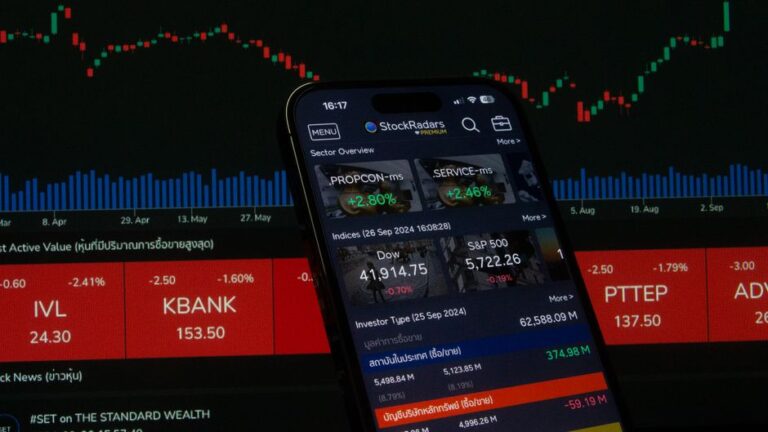
The stock market has always been a focal point for investors seeking to grow their wealth. As we navigate through 2023, understanding the underlying dynamics of stock markets is crucial for both seasoned investors and newcomers alike. The market is influenced by various factors such as economic indicators, investor sentiment, and geopolitical events that can lead to significant fluctuations. In this article, we will delve into the essential elements that govern stock markets and provide insights that can help you make informed investment decisions.
The Basics of Stock Markets
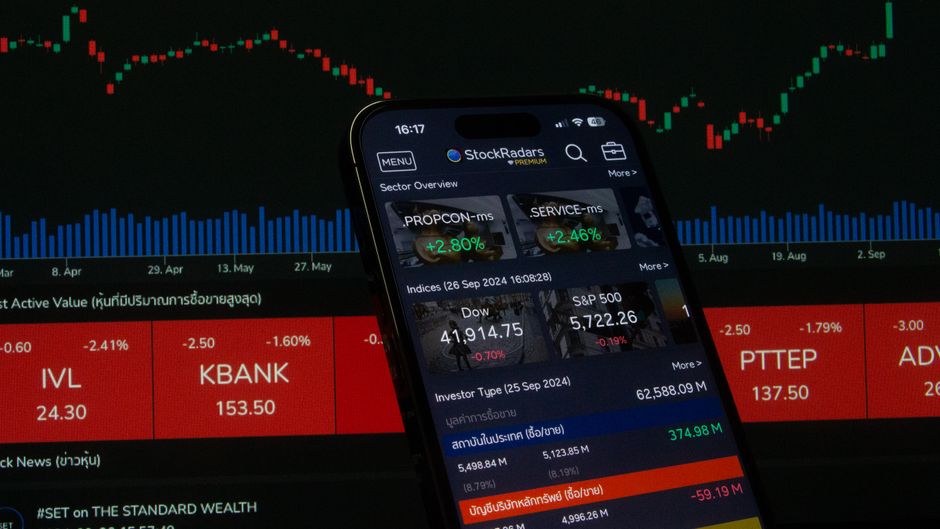
At its core, a stock market is a platform where shares of publicly traded companies are bought and sold. Investors purchase stocks in hopes that the company will perform well, leading to an increase in stock value. The stock market operates through a system of exchanges, with the New York Stock Exchange (NYSE) and the Nasdaq being the most prominent in the United States.
The price of a stock is determined by supply and demand dynamics. When more people want to buy a stock than sell it, its price goes up. Conversely, when more are selling than buying, the price drops. This interplay of buying and selling is what creates the market’s volatility, often driven by news events, earnings reports, and economic data.
In 2023, we have seen a notable increase in retail investors participating in the stock market, largely due to technological advancements and the accessibility of trading platforms. This trend has led to a more dynamic market environment, where information spreads rapidly, influencing stock prices almost instantaneously.
Key Factors Influencing Stock Prices
Several factors play a significant role in determining stock prices. Economic indicators such as Gross Domestic Product (GDP), unemployment rates, and inflation are critical in shaping investor expectations. For instance, a robust GDP growth rate often signals a healthy economy, which can boost investor confidence and drive stock prices higher.
Another crucial factor is corporate earnings. Companies that consistently meet or exceed earnings expectations tend to see their stock prices rise. In contrast, disappointing earnings reports can lead to sharp declines. For example, in recent earnings seasons, technology companies like Apple and Amazon have shown resilience, positively impacting their stock prices despite broader market challenges.
Furthermore, global events can have immediate effects on stock prices. Geopolitical tensions, natural disasters, and pandemics can create uncertainty in the market, leading to volatility. For illustration, during the early days of the COVID-19 pandemic, stock markets around the world experienced unprecedented declines as investors reacted to the uncertainty.
The Role of Investor Sentiment
Investor sentiment is another pivotal element that influences the stock market. The psychology of investors can drive market trends, sometimes leading to irrational decisions based on fear or greed. Bull markets, characterized by rising stock prices, often breed optimism, while bear markets, defined by declining prices, can induce panic.
Surveys such as the American Association of Individual Investors (AAII) sentiment survey provide insights into how investors feel about the market. High levels of optimism can lead to inflated stock prices, while extreme pessimism can create buying opportunities. Understanding these sentiment indicators can be vital in timing your investments.
In recent months, platforms that utilize artificial intelligence, such as nsfw character ai, have emerged, helping investors analyze sentiment and market trends through data-driven insights. This technological advancement allows investors to make more informed decisions based on prevailing market sentiment.
Investment Strategies in the Current Market
Given the dynamic nature of the stock market in 2023, investors must adopt effective strategies to navigate potential risks and opportunities. Diversification remains a fundamental principle of investing. By spreading investments across various sectors and asset classes, investors can mitigate risks associated with market volatility.
Additionally, value investing has gained traction as a strategy in the current market. This approach involves identifying undervalued stocks with strong fundamentals poised for growth. As markets fluctuate, these hidden gems can provide significant returns when the broader market rebounds.
Moreover, keeping abreast of market trends and economic indicators can enhance your investment approach. Tools like stock screeners and financial news platforms can provide timely information, helping you make strategic investment choices.
Conclusion: Preparing for the Future of Stock Markets
As we look ahead, understanding the intricacies of stock markets is essential for all investors. The interplay of economic indicators, corporate performance, and investor sentiment will continue to shape market dynamics. By staying informed and developing a sound investment strategy, you can position yourself for success in an ever-evolving market landscape.
In conclusion, whether you are a seasoned investor or just starting, the stock market presents both challenges and opportunities. By embracing knowledge and leveraging technology, you can navigate the complexities of investing and work towards achieving your financial goals.
